
Moblie: 8613816755915
What is the difference between C stud and U track

C studs and U track are commonly used in engineering projects, but some people are unclear about the differences between them. What exactly are the differences between C studs and U track? What are their respective applications? Today, SOLIDECK will provide a detailed analysis of the differences between C stud and U track.
Definitions of C stud and U track
U track
some call it channel steel, others call it a slide rail. It is shaped like the letter U: flat at the bottom, with two short legs extending upward. It has no bends or flanges; it is simply stamped metal. U track is used to secure items to floors and ceilings, as well as to secure door and window frames. Their primary function is to provide support.
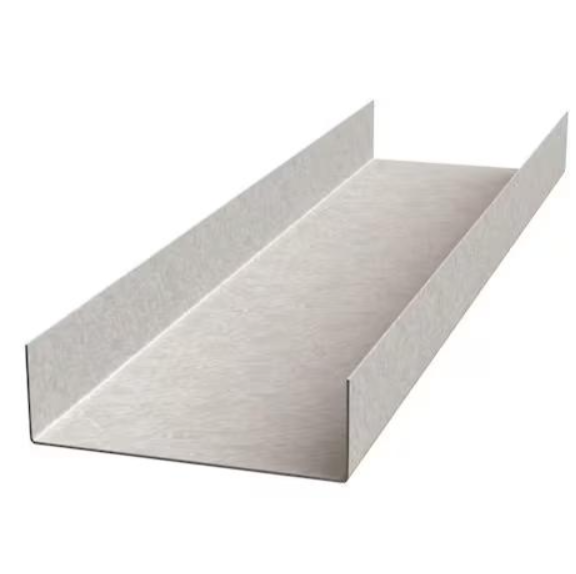
U Track
C stud
C stud is different from U track. When viewed from the end, they are shaped like the letter C. The middle section is a flat web, with flanges on either side, followed by a small, inward-curving lip. This additional lip makes them much sturdier than U track. C stud also feature knock-out holes or pre-punched holes for wiring and piping.
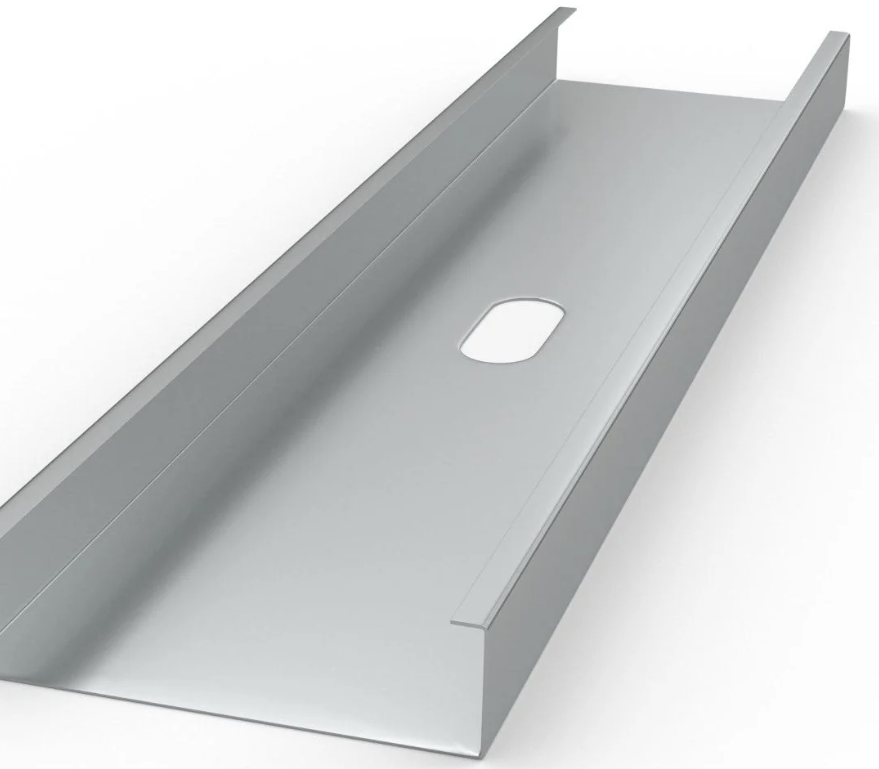
C Stud
The difference between C stud and U track
C-studs are typically used as vertical wall studs in both structural and non-structural framing. Due to their shape—which features a small, inward-curved flange—C-studs provide greater strength and stiffness, ensuring the wall studs can withstand axial forces. The bottom of C-studs features small indentations and grooves designed to increase friction, which aids in the grip of drywall screws. U-channels, on the other hand, are generally used as horizontal members. The bottom of a U-channel is flat, requires no texturing, is relatively shallow and soft, and has no flanges. Aside from baseboards, nothing is nailed directly to the surface of the channel. The dimensions of both components also vary depending on the application.
Additionally, U-channels are often used to reinforce or connect walls. Simply put, this is not recommended. U-channels have insufficient lateral strength and should not be used as horizontal connectors. If horizontal reinforcement is needed between wall studs, use C-channels laid flat, or purchase specialized slotted tracks.
Slotted tracks are designed for wall-to-ceiling applications to protect the integrity of the wall structure during building movement by accommodating vertical displacement caused by factors such as thermal expansion and contraction, wind loads, and seismic activity. Slotted tracks are securely fastened to both flanges of the columns, thereby enhancing load-bearing capacity, preventing lateral movement, and allowing the structure to flex vertically. The slotted track is manufactured from steel conforming to ASTM standards for cold-formed steel sections and meets the specifications for dynamic wall-to-roof connections.
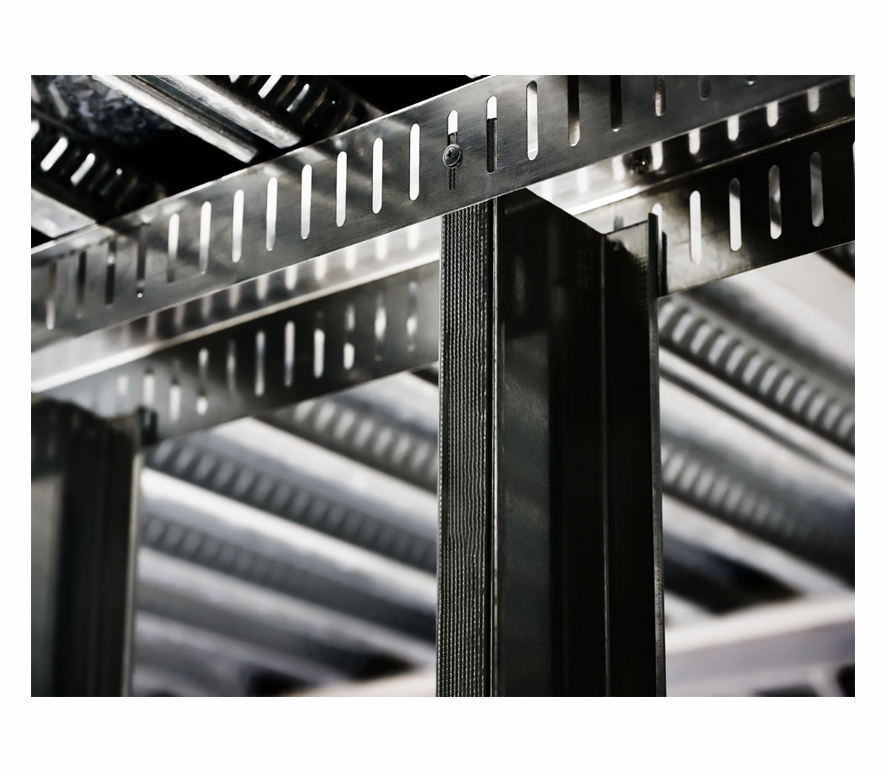
Slotted tracks
Simply put, U track is your top and bottom track. C stud is your vertical member. They are sturdier and feature flanges and pre-drilled holes for securing drywall and accommodating wiring and plumbing.